
Introduction
Learning how to plan monthly budget is one of the most important skills for managing personal finances. Many people earn a steady income but still struggle at the end of the month. The reason is not always low income, but the lack of a clear budget plan. Without direction, money gets spent on small things that slowly add up and create stress.
A monthly budget helps you understand your income, control expenses, and save for future needs. It gives you a clear picture of where your money goes and where you can improve. When you know how to plan monthly budget properly, you feel more confident and less worried about bills, emergencies, or unexpected costs.
Budgeting does not mean cutting all enjoyment from life. It simply means spending with purpose. With the right approach, budgeting becomes a helpful habit instead of a burden. Beginners often think budgeting is complex, but it can be simple and flexible when done correctly.
This guide is written in easy English for beginners and intermediate readers. It explains how to plan monthly budget step by step, using real-life examples and practical advice. By following these steps, you can build strong budgeting basics, improve expense tracking, and develop healthy saving habits that support long-term financial stability.
What is How to Plan Monthly Budget?
How to plan monthly budget means creating a clear plan for how you will use your income during a month. It includes listing earnings, tracking expenses, and deciding how much to spend or save.
A monthly budget acts like a financial map. It shows priorities such as rent, food, savings, and personal spending. This process supports better money control and smart decision making.
For beginners, learning how to plan monthly budget is the foundation of good financial habits and long-term security.
Why is How to Plan Monthly Budget Important?
A monthly budget helps prevent overspending and financial stress. When expenses are planned, surprises become easier to manage.
Knowing how to plan monthly budget also improves saving habits. It ensures that savings are treated as a priority, not an afterthought.
Most importantly, budgeting builds discipline and confidence. It helps you stay in control of your money instead of reacting to problems later.
Detailed Step-by-Step Guide

Step 1: Calculate Your Monthly Income
Start by listing all income sources.
Include salary, freelance work, or side income.
Step 2: List Fixed Expenses
Write down fixed costs like rent and utilities.
These expenses usually stay the same each month.
Step 3: Track Variable Expenses
Variable costs include food and transport.
Expense tracking helps identify spending patterns.
Step 4: Set Saving Goals
Decide how much you want to save monthly.
Saving habits grow stronger with consistency.
Step 5: Create Spending Categories
Divide money into needs, wants, and savings.
This improves budgeting basics and clarity.
Step 6: Adjust and Balance
If expenses exceed income, reduce spending.
Balance keeps the budget realistic and useful.
Step 7: Review Monthly Results
Review progress at month end.
This improves future budget planning.
Benefits of How to Plan Monthly Budget
- Better control over spending
- Strong budgeting basics
- Improved expense tracking
- Healthier saving habits
- Reduced financial stress
- Clear financial goals
Disadvantages / Risks
- Requires discipline and patience
- Takes time to track expenses
- Needs regular updates
- Poor planning can cause frustration
Common Mistakes to Avoid
Many people forget small expenses. Others set unrealistic budgets.
Avoid skipping savings or ignoring reviews. Flexibility is important when learning how to plan monthly budget.
FAQs
What is the best way to start a monthly budget?
Start by listing income and expenses clearly.
How often should I review my budget?
Review it monthly to stay accurate.
Can budgeting work with low income?
Yes, budgeting is even more helpful with limited income.
Should savings be part of a budget?
Yes, savings should be treated as a fixed expense.
What if expenses change every month?
Adjust categories to stay flexible and realistic.
Is budgeting difficult for beginners?
No, simple steps make it easy to follow.
Expert Tips & Bonus Points
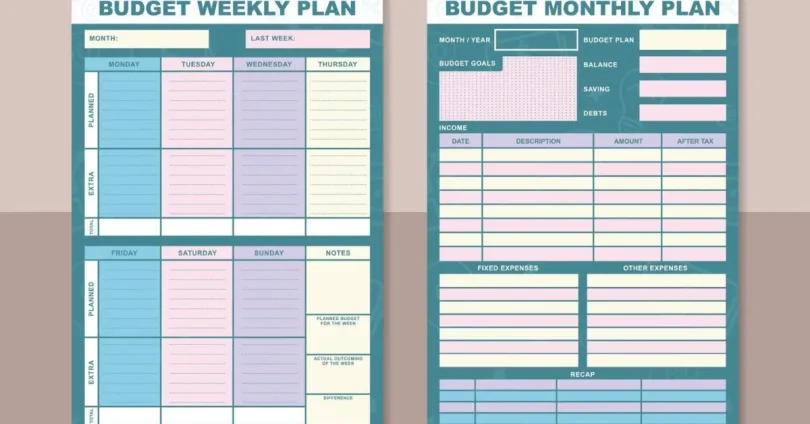
Use simple tools like notebooks or spreadsheets. Automate savings where possible.
Focus on progress, not perfection. Budgeting improves with practice.
Conclusion
Learning how to plan monthly budget is a powerful step toward financial stability. It helps you understand your income, manage expenses, and build better saving habits. With a clear budget, money decisions become easier and less stressful.
Budgeting is not about restriction. It is about awareness and control. When you follow budgeting basics and practice expense tracking, you gain confidence in handling money. Small adjustments each month lead to big improvements over time.